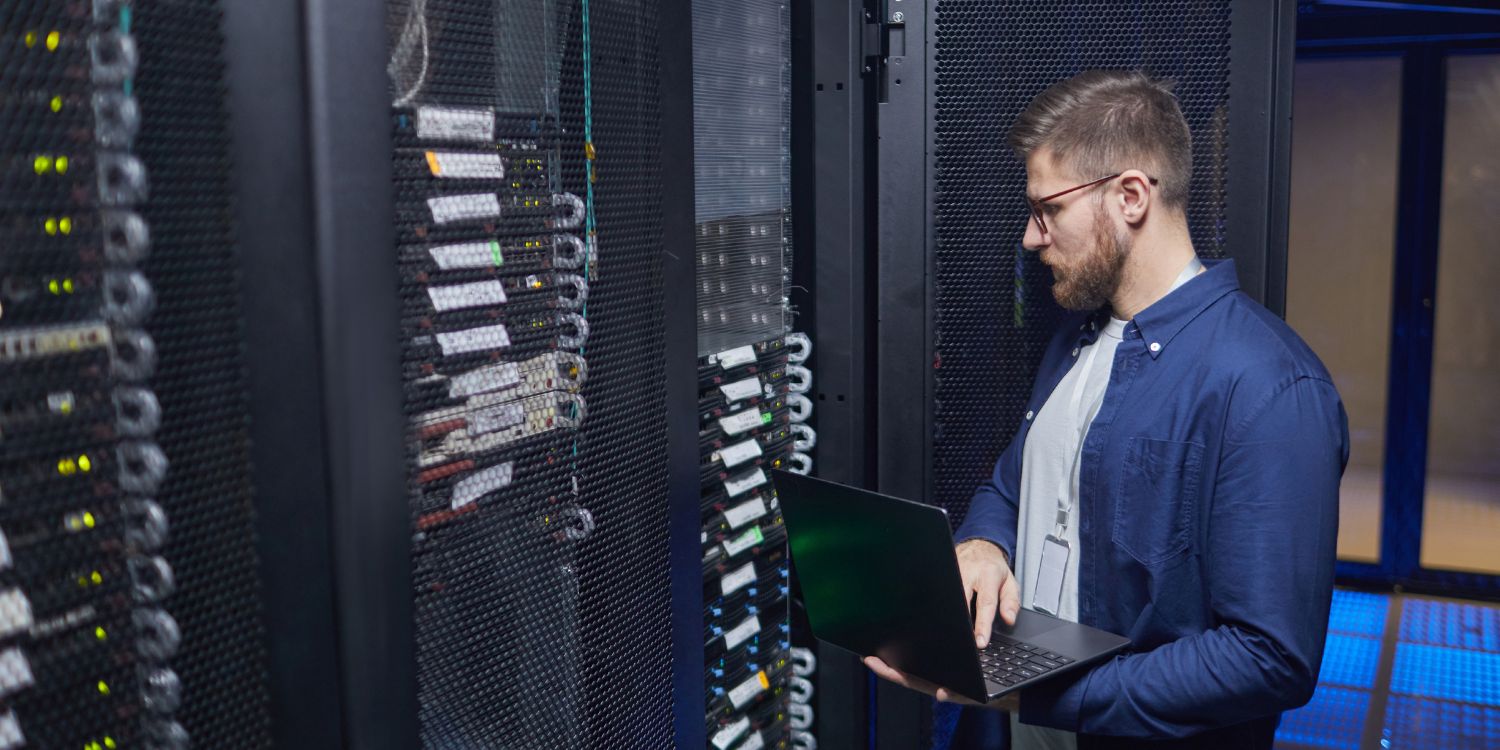
Modern businesses rely heavily on servers to manage applications, store data, and keep daily operations running smoothly. Whether supporting internal systems, cloud services, or customer-facing platforms, servers are at the core of IT infrastructure. However, when servers experience performance issues or unexpected outages, the impact can be significant. This is why server monitoring prevents costly failures by identifying potential problems early, reducing downtime, and improving overall system reliability.
In this blog, we’ll explore how proactive server monitoring works and why it plays a critical role in maintaining stable and secure IT environments.
Understanding Server Monitoring
Server monitoring is the process of continuously tracking the health, performance, and availability of servers. Monitoring tools collect data on various system metrics and generate alerts when unusual activity or performance degradation occurs.
Common metrics monitored include:
- CPU usage and processing performance
- Memory consumption
- Disk storage capacity
- Network traffic and connectivity
- Application performance
- System temperature and hardware health
By analyzing these metrics in real time, IT teams can identify issues before they escalate into major failures.
The High Cost of Server Downtime
Server downtime can disrupt operations across an entire organization. When servers fail unexpectedly, businesses may experience:
- Loss of access to critical applications
- Delays in customer services
- Data processing interruptions
- Lost revenue and productivity
- Damage to brand reputation
Even a few minutes of downtime can result in significant operational losses, particularly for businesses that rely on digital platforms. This is why server monitoring prevents costly failures by detecting problems early and allowing IT teams to respond quickly.
1. Early Detection of Performance Issues
One of the most important benefits of server monitoring is the ability to detect performance issues before they become critical. Servers rarely fail without warning. Instead, they typically show signs such as increased CPU usage, memory exhaustion, or abnormal network activity.
Monitoring systems identify these early warning signals and alert IT teams so they can investigate the root cause. Addressing these issues proactively helps prevent system crashes and service disruptions.
For example, if a server begins to run out of storage space, monitoring tools can alert administrators before the server reaches capacity. This allows teams to expand storage or remove unnecessary data before the system fails.
2. Improving System Reliability
Reliable IT infrastructure depends on consistent system performance. Server monitoring helps maintain stability by providing continuous insight into how systems operate under normal and peak conditions.
Through monitoring, organizations can:
- Identify resource bottlenecks
- Optimize application performance
- Balance workloads across servers
- Detect hardware degradation early
These insights help ensure servers operate efficiently and support business operations without interruption.
3. Supporting Proactive Maintenance
Without monitoring, IT teams often operate in reactive mode – fixing problems only after they occur. Proactive server monitoring changes this approach by enabling preventative maintenance.
Examples of proactive maintenance include:
- Updating software patches and security fixes
- Replacing failing hardware components
- Adjusting system configurations for better performance
- Scaling resources to handle increased demand
When organizations adopt a proactive strategy, server monitoring prevents costly failures that might otherwise result in downtime or data loss.
4. Enhancing Security and Threat Detection
Server monitoring also plays a crucial role in cybersecurity. Suspicious activity such as unusual login attempts, unexpected network traffic, or unauthorized system changes can indicate a potential security threat.
Monitoring tools help detect these anomalies quickly, allowing security teams to investigate and respond before attackers gain access to sensitive data.
Key security benefits include:
- Early detection of malware activity
- Monitoring for unauthorized access attempts
- Identifying unusual system behavior
- Supporting incident response and investigation
These capabilities strengthen the organization’s overall security posture.
5. Supporting Business Continuity
Business continuity planning depends on reliable infrastructure. If critical systems go offline, operations can grind to a halt. Monitoring helps maintain business continuity by ensuring systems remain available and functional.
With real-time monitoring and automated alerts, IT teams can resolve issues quickly – often before users notice a problem. This reduces downtime and keeps services running smoothly.
Organizations that invest in monitoring gain greater resilience and operational stability.
6. Centralized Visibility Across IT Environments
Modern IT environments often include a combination of on-premises servers, cloud infrastructure, and virtual machines. Managing these systems individually can be complex and time-consuming.
Server monitoring platforms provide centralized visibility into the entire infrastructure. IT teams can view performance data, alerts, and system health from a single dashboard.
This unified view helps organizations:
- Identify trends and recurring issues
- Monitor system performance across locations
- Improve resource planning
- Simplify troubleshooting and management
Centralized monitoring enables faster decision-making and more efficient IT operations.
Why Businesses Choose Managed Server Monitoring
Maintaining continuous monitoring internally can require significant time and expertise. Many organizations choose managed server services to ensure their systems remain monitored around the clock.
Managed service providers offer:
- 24/7 monitoring and alert response
- Proactive maintenance and performance optimization
- Security monitoring and patch management
- Expert support for troubleshooting and system management
This approach ensures servers remain reliable while allowing internal teams to focus on core business priorities.
Conclusion
Servers are essential to modern business operations, supporting everything from internal applications to customer-facing services. Without proper monitoring, performance issues and hardware failures can quickly escalate into costly outages. By providing continuous visibility into system health, server monitoring prevents costly failures, reduces downtime, and improves infrastructure reliability. Organizations that invest in proactive monitoring gain stronger operational stability, better security, and greater confidence in their IT systems.
Server Management Services by Techzn
Looking to keep your servers running reliably and securely? Techzn offers expert server management services designed to monitor, maintain, and optimize your server infrastructure. Contact us at info@techzn.com or call 1-877-200-7604 for a consultation today!