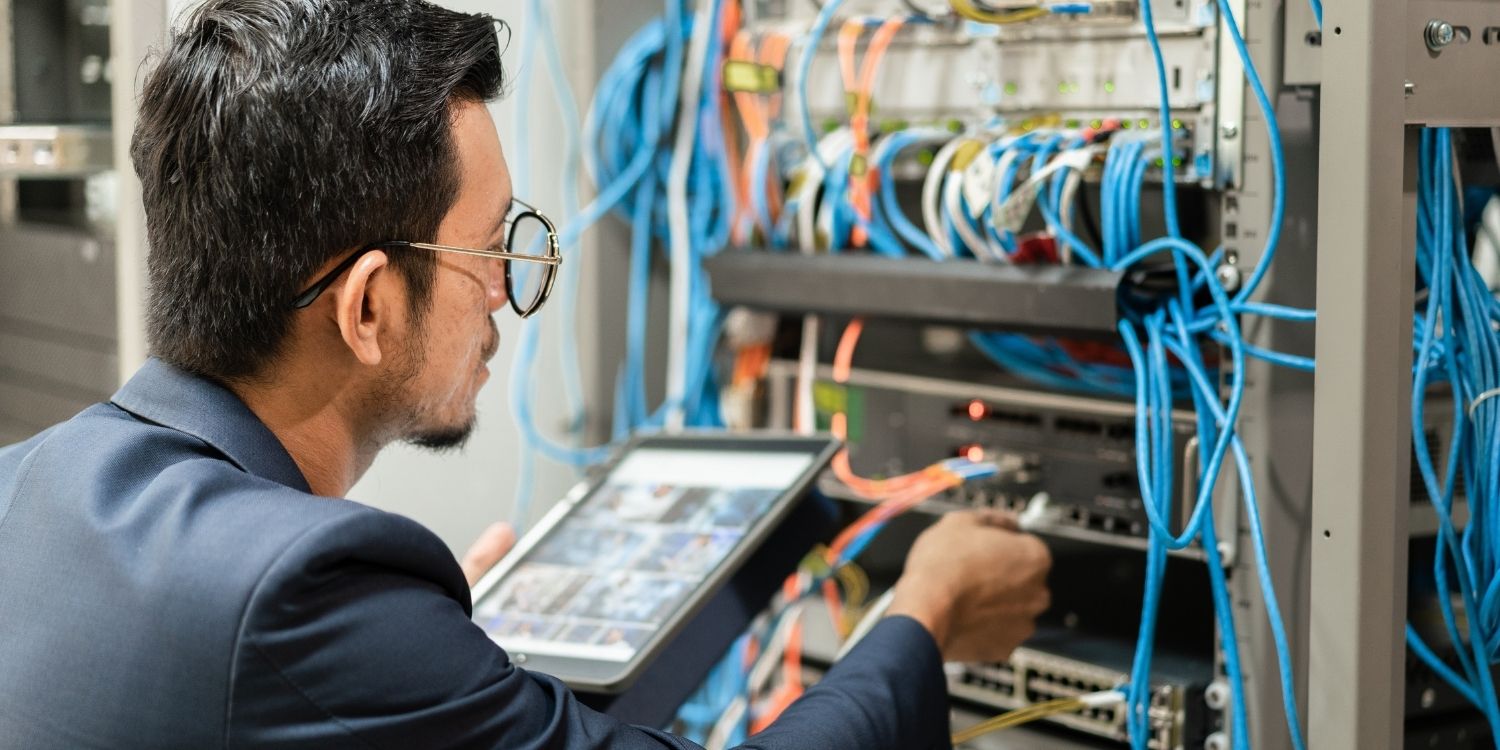
In a world where every workflow depends on connectivity, even a few minutes of network disruption can ripple into lost productivity, missed revenue, and frustrated customers. That’s why preventing outages with managed network monitoring has become a strategic priority for growing businesses. Instead of waiting for problems to surface through user complaints, managed monitoring spots performance dips, security threats, and hardware failures early – often before anyone notices. The result is a more reliable, resilient network that supports your operations 24/7.
This blog breaks down how managed network monitoring works, why outages happen, and how proactive oversight keeps business systems running smoothly.
Why Network Outages Are So Costly
Network outages aren’t just an IT inconvenience. They impact every part of the business:
- Employee downtime: If staff can’t access apps, files, or cloud platforms, work stops immediately.
- Customer experience: Slow websites, dropped calls, or delayed services reduce satisfaction and trust.
- Revenue loss: Outages often hit sales systems, e-commerce platforms, and customer transactions directly.
- Security risk: Many outages are linked to attacks that can lead to data loss, compliance fines, and reputational damage.
Even minor disruptions add up when they happen repeatedly. That’s why reducing outage frequency and recovery time is one of the fastest ways to improve operational efficiency.
What Causes Most Network Outages?
Understanding the root causes of outages helps explain why monitoring needs to be proactive – not reactive. Common causes include:
1. Hardware Failures
Switches, routers, firewalls, and access points age over time. Components overheat, power supplies fail, and ports degrade. Without early warning signs, failures occur suddenly.
2. Configuration Errors
Manual changes – like rule updates, VLAN edits, or routing tweaks – can trigger unexpected downtime if not tested or documented properly.
3. Bandwidth Congestion
As businesses add users, cloud apps, meetings, and IoT devices, networks can become overloaded. Congestion leads to latency, timeouts, and service degradation.
4. ISP Issues
Service provider outages or instability can disrupt connectivity. If networks aren’t designed with redundancy, a single ISP issue becomes a full outage.
5. Security Threats
DDoS attacks, malware, or unauthorized access can overwhelm networks or force shutdowns to contain damage.
These issues are hard to avoid entirely, but they’re much easier to manage when detected early through continuous monitoring.
What Is Managed Network Monitoring?
Managed network monitoring is a service where a dedicated provider continuously watches your network performance, security, and device health. They use enterprise-grade tools to track real-time data and respond to warnings before they escalate.
Key capabilities include:
- 24/7 monitoring of network devices (routers, switches, firewalls, Wi-Fi, servers)
- Performance baselines that show normal vs. abnormal behavior
- Automated alerts for spikes, slowdowns, packet loss, or failures
- Incident response workflows for fast remediation
- Monthly reporting for visibility into risks, trends, and capacity needs
Instead of relying on periodic checks, this service provides always-on visibility into the systems that keep your business alive.
Preventing Outages with Managed Network Monitoring
1. Early Detection of Performance Issues
Managed monitoring tools track network health metrics like latency, jitter, throughput, and packet loss. Abnormal patterns often appear hours – or even days – before a full outage.
Example: If a switch is showing rising port errors, the monitoring system flags it early, allowing replacement before the switch fails.
2. Proactive Maintenance and Patch Management
Outages frequently occur because of skipped firmware updates, expired certificates, or unpatched vulnerabilities. Managed monitoring includes scheduled updates and continuous compliance checks so you don’t fall behind.
This preventative approach reduces “surprise failures” caused by outdated systems.
3. Smarter Capacity Planning
A good monitoring provider doesn’t just watch for failures – they analyze usage trends. If bandwidth usage keeps climbing every quarter, they’ll recommend upgrades before congestion triggers downtime.
This ensures continuous scalability without disruption.
4. Faster Incident Response
Even with proactive measures, some incidents will happen. The difference is speed. Managed monitoring providers detect failures instantly, triage root causes, and begin resolution without waiting for users to report problems.
This dramatically lowers mean time to detect (MTTD) and mean time to resolve (MTTR).
5. Real-Time Security Threat Monitoring
Security-based outages are rising. Managed monitoring correlates unusual patterns – like sudden traffic bursts, unauthorized lateral movement, or repeated login failures – and triggers containment steps early.
Instead of a breach turning into an outage, threats are neutralized quietly in the background.
What You Gain from Preventing Outages Proactively
Beyond fewer disruptions, proactive monitoring delivers measurable business benefits:
- Higher employee productivity: People work uninterrupted, with no waiting on fixes.
- Customer trust: Reliable service strengthens retention and brand credibility.
- Reduced IT costs: Preventing downtime is cheaper than emergency recovery.
- Better compliance posture: Logs and reports support audits for frameworks like ISO 27001, HIPAA, and PCI DSS.
- Stronger business continuity: Networks stay stable through growth, change, or external disruptions.
Ultimately, managed monitoring makes IT predictable – one of the biggest advantages any business can have.
What a Strong Managed Monitoring Setup Looks Like
Not all monitoring is equal. To truly prevent outages, your strategy should include:
- Complete visibility across LAN, WAN, Wi-Fi, cloud, and endpoints
- Unified dashboards that correlate device, app, and security events
- Alert tuning to reduce false positives and highlight real risk
- Automated remediation for repetitive incidents
- Documented escalation paths with clear SLAs
- Regular reporting and reviews to improve continuously
This creates a network “immune system” – detecting threats, healing problems, and strengthening over time.
Common Misconceptions About Monitoring
“We already have internal tools.”
Internal tools help, but without a team watching them around the clock, alerts often get missed or ignored. Managed monitoring provides both tooling and a dedicated response team.
“Monitoring only tells you after something breaks.”
That’s true for basic setups. But modern managed monitoring uses baselines and trend detection to catch issues early.
“It’s too expensive.”
Outages are far more expensive. Even one serious disruption can cost more than a year of monitoring.
Conclusion
A reliable network shouldn’t depend on luck or last-minute firefighting. By preventing outages with managed network monitoring, businesses gain early warning, proactive maintenance, faster response, and secure performance around the clock. Whether you’re scaling operations, supporting remote work, or protecting critical systems, managed monitoring ensures your network stays stable – so your business can stay focused on growth.
Managed Network Services by Techzn
Want a stronger, outage-resistant network? Techzn’s managed network services provide proactive monitoring, rapid response, and ongoing optimization to keep your business connected 24/7. Contact us at info@techzn.com or call 1-877-200-7604 for a consultation today!