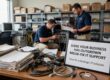
Many businesses start with break-fix IT support—calling a technician only when something breaks. This approach works well for small operations with simple technology needs, but growing companies often reach a point where reactive support creates more problems than it solves.
Recognizing the signs your business has outgrown break fix IT support helps you make the transition before technology issues start impacting your customers, employees, and bottom line.
Your IT Problems Keep Repeating
The clearest warning sign is when the same issues happen over and over. Maybe your email server crashes monthly, certain computers run slowly every few weeks, or your network drops connections regularly.
Break-fix support treats symptoms, not root causes. A technician fixes the immediate problem and leaves, but the underlying issue—outdated hardware, misconfigured software, or network bottlenecks—remains untouched.
What this costs you:
- Lost productivity during each incident
- Multiple service calls for the same underlying problem
- Employee frustration and work delays
- Customer service disruptions
If you’re calling for help with similar issues more than once per quarter, it’s time to consider proactive IT management.
IT Costs Have Become Unpredictable
Break-fix billing can create budget surprises. A server failure might cost $3,000 one month, while you spend nothing the next two months, then face a $1,500 emergency call.
Growing businesses need predictable operating expenses. When IT costs swing wildly, it becomes difficult to:
- Plan quarterly budgets accurately
- Allocate resources for other business priorities
- Justify technology investments to leadership
- Maintain healthy cash flow
Red flags include:
- Monthly IT bills that vary by more than 50%
- Emergency after-hours charges appearing regularly
- Surprise costs for hardware failures
- No clear budget for preventive maintenance
Your Business Can’t Afford Downtime
In the early days, a few hours of email outage or system downtime might have been manageable. But as your business grows, technology downtime directly impacts revenue and customer relationships.
Consider these scenarios:
- Your sales team can’t access customer data during important calls
- Orders can’t be processed during peak business hours
- Remote employees can’t connect to essential systems
- Customer service requests pile up during system outages
If technology problems now affect your ability to serve customers or generate revenue, break-fix support is too reactive for your needs.
Security and Compliance Requirements Have Increased
Break-fix support typically doesn’t include proactive security monitoring, regular updates, or compliance planning. If your business now handles:
- Customer payment information
- Healthcare data
- Financial records
- Confidential client information
You need ongoing security management, not just repairs after problems occur.
Security gaps in break-fix support:
- No monitoring for suspicious activity
- Delayed security patches and updates
- Limited backup and recovery planning
- No ongoing risk assessments
- Reactive response to cybersecurity threats
Your Team Is Growing and Technology Needs Are More Complex
As you add employees, locations, or remote workers, your IT environment becomes more complex. Break-fix technicians may not understand how all your systems work together or how changes in one area affect others.
Signs of increasing complexity:
- Multiple software applications that need to share data
- Remote employees accessing company systems
- New locations requiring network connectivity
- Cloud services that need integration with existing systems
- Mobile devices connecting to business networks
Complex environments benefit from consistent oversight and strategic planning, not just problem-solving after issues arise.
Response Times Are Too Slow for Your Operations
When break-fix technicians are busy with other clients, you might wait hours or days for help. For established businesses, these delays create cascading problems:
- Employees switch to less secure workarounds
- Customer service quality suffers
- Sales opportunities are missed
- Productivity drops across multiple departments
If your business operations depend on reliable technology access, you need faster, more predictable support response times.
You Have No Strategic IT Planning
Break-fix relationships focus on repairs, not strategy. You might find yourself with:
- No technology roadmap aligned with business growth
- Hardware that gets replaced only after it fails
- Software licenses purchased reactively
- No clear backup and disaster recovery plan
- Limited insight into which technology investments would improve efficiency
Growing businesses benefit from business IT planning guidance that aligns technology decisions with operational goals.
Your Employees Are Losing Productivity to IT Issues
Calculate the real cost of technology problems:
- How many hours per week do employees wait for IT help?
- How often do system issues interrupt important work?
- Are employees avoiding certain tasks because technology is unreliable?
- Do staff members spend time on workarounds instead of core job functions?
If IT problems are consuming significant employee time, the true cost goes far beyond service invoices.
Making the Transition
Recognizing these signs doesn’t mean your current IT technician is doing poor work. It means your business needs have evolved beyond what reactive support can effectively provide.
Key differences to expect:
- Proactive monitoring instead of waiting for problems
- Predictable monthly costs instead of surprise bills
- Strategic planning sessions beyond just fixing issues
- Faster response times for critical problems
- Regular security updates and backup verification
What This Means for Your Business
When you’ve outgrown break-fix IT support, continuing with reactive service becomes more expensive than switching to proactive management. The cost of downtime, security risks, and lost productivity often exceeds the investment in comprehensive IT support.
The right IT support strategy provides predictable costs, reduces emergency situations, and aligns technology decisions with your business goals. Most importantly, it lets you focus on running your business instead of managing IT crises.
If three or more of these signs sound familiar, it’s time to explore how proactive IT support can improve your operations, security, and planning. Contact TECHZN to discuss how managed IT services can support your growing business needs.